Style & Silhouette
How to Choose a Prom Dress
Start with the event and how you want to move through it. Then narrow by silhouette, comfort, color, fit support, and the time you have before prom. The most useful dress is the one you can enjoy all night, not just the one that looks good in a saved photo.
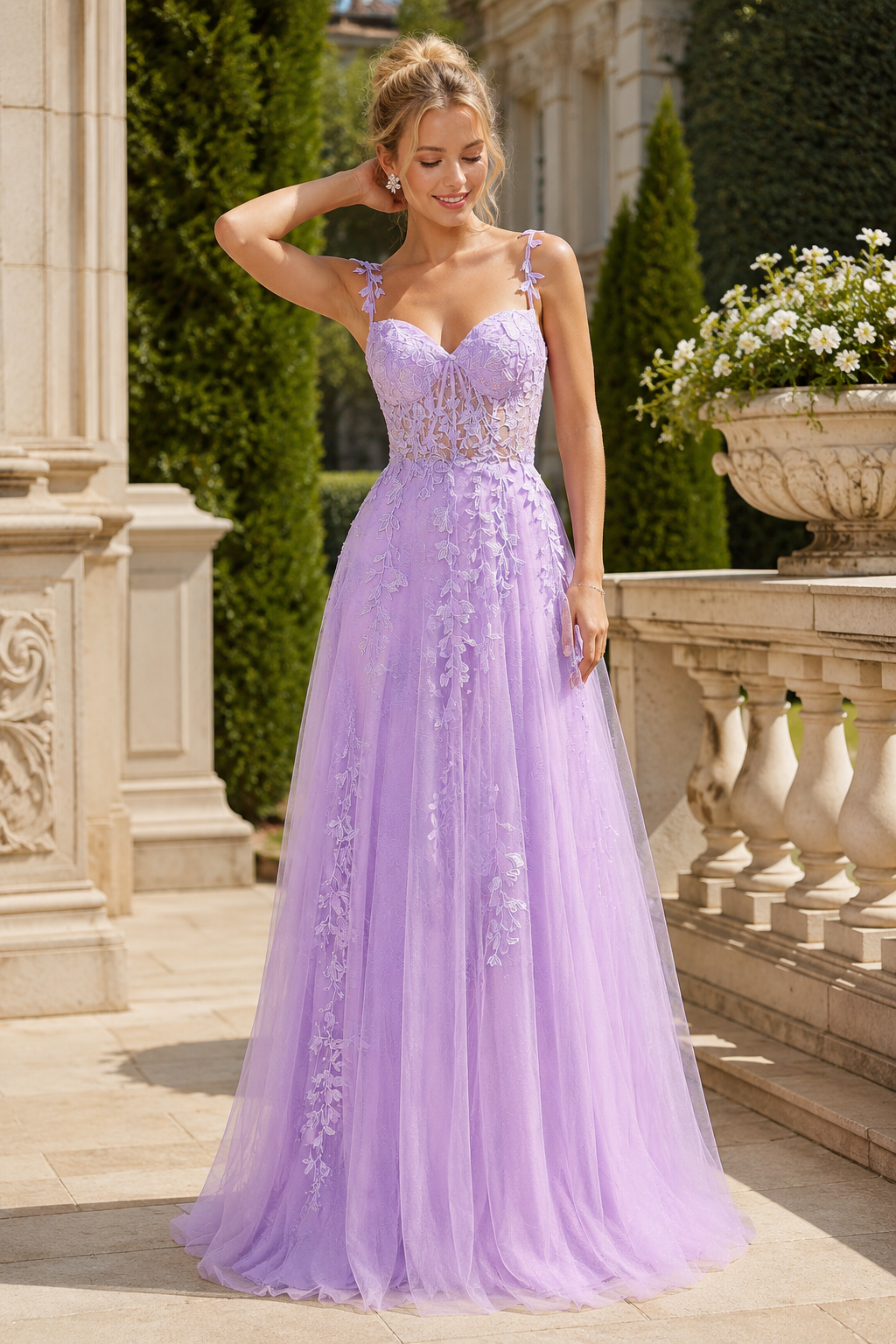
Start with the night you are dressing for
Start with the rules for your actual event. Save the current school dress code and note who can clarify it. If you are browsing in October for a later prom, leave the date and rules marked as unconfirmed until the organizer provides them. Last year's photos show what people wore then; they do not establish this year's requirements.
It also helps to picture the practical moments: getting in and out of a car, sitting for dinner, using the restroom, walking on grass or stairs, and adding a jacket if the evening cools down. These details do not make a dress less special. They help you choose a special dress that still feels like yours after several hours.
Choose a silhouette by feeling, not a rulebook
A-line dresses skim away from the waist and leave room to move, which makes them a versatile starting point. Mermaid dresses follow the body more closely before opening near the hem, creating a more sculpted line. Ball gowns bring volume and presence, while sheath and column dresses keep the shape long and streamlined. None of these shapes belongs to one kind of body or one kind of prom. The useful question is which one makes you feel comfortable, supported, and ready to be photographed from every angle.
If you are deciding between two silhouettes, compare what changes when you walk, sit, and raise your arms. A structured corset, a slit, straps, sleeves, and the weight of the skirt all affect the experience. Save the more dramatic option for the moment it still lets you enjoy the night instead of managing the dress all evening.
Let color, comfort, and support work together
A phone image is a starting point for color, not a match guarantee. PromSpark's Terms explain that lighting, screens, fabrics, and production batches can affect appearance. Compare views of the same selected color; avoid comparing a filtered social post with an unedited product image as if the lighting were identical. If matching an accessory matters, ask what color information is available for that exact style before buying either piece.
Comfort is part of the visual result. Look for details that support the way you want to wear the dress: adjustable lace-up backs, straps that stay in place, enough room through the hips, and a hem length that works with your shoes. If you want a more precise fit, use the measurements in the size guide before ordering instead of guessing from your usual ready-to-wear size.
Check coverage from the front, side, and back
Look for the neckline depth, back opening, side cutouts, sheer panels, and slit separately. A front photograph can hide a low back, and decoration over mesh does not tell you whether that area is lined. If a school rule applies, send the organizer the product link and the relevant view with a specific question: 'Does this back opening meet the published rule?'. A retailer can explain construction; the organizer decides whether it meets the event's requirements.
Ask support about any construction detail the product page leaves unclear. For example: 'Is the panel below the neckline lined in this selected color?' or 'Does this bodice have built-in cups, and what does the back look like?'. Do not assume a corset appearance guarantees support or that Custom sizing includes extra coverage. A design change needs its own confirmation before an order.
When the dress arrives, try it indoors with your intended underwear and shoes. Sit, reach forward, and raise your arms gently to check whether coverage changes. If you may need a return, preserve the tags and condition required by the current policy and resolve questions before making alterations. Do not cut, pin, or tape the garment as a substitute for confirming your options.
Plan the budget and timing before the final decision
Set a dress budget that leaves room for the full look. Shoes, alterations, undergarments, jewelry, a bag, and event tickets can all change the total. Review the selected size and any listed adjustment before you add the dress to your bag.
Timing is equally important. Check the product information and ask support to confirm production timing for your selected dress, then leave time to try it on and make any local alterations you choose. Work back from your event date before falling in love with a dress. That gives you more options and a calmer decision.
Questions, answered
Frequently asked questions
Should I choose my prom dress size based on my usual clothing size?
Use your current measurements and the PromSpark size chart first. Ready-to-wear sizing can vary, so a number you wear elsewhere is only a starting point.
What prom dress silhouette is easiest to move in?
A silhouette name alone cannot tell you. Compare skirt room, fabric, construction, hem length, and fit, then check ordinary movements during a careful try-on.
Who can confirm whether a dress meets my school dress code?
Ask the event organizer using the current written rule and clear product views. Ask the retailer separately about lining, coverage, or construction that the photographs do not explain.
When should I order a prom dress?
Order early enough to review current timing, allow for shipping transit, a try-on, and any alterations you may want.
Can I choose a dress before I know all my accessories?
Yes. Choose the dress first, then use its color, neckline, and level of detail to narrow shoes, jewelry, and a bag.
Related guides
Your next step
Keep the decision clear.
Use the details that matter for your event, then explore the styles and fit information at your own pace.
Shop Prom Dresses